Last Updated: November 21, 2026
Quick Summary
Most new windshields are safe to drive on within about one hour, but the exact wait depends on the adhesive used, the weather, and your installer’s instructions. Ask the technician for their stated safe drive-away time before you leave the shop. That number matters more than any general estimate, because windshield replacement bonds need time to hold.
- Ask for both the safe drive-away time and the full cure time before leaving.
- Fast-cure adhesive often allows driving about one hour after installation.
- Full adhesive cure often takes 24 to 48 hours, depending on temperature and humidity.
- Avoid slamming doors and hard jolts during the first few hours after installation.
- Contact the shop right away for water inside the car, new whistling, or visible gaps.
Table of Contents
- How Soon Can You Drive After Windshield Replacement?
- Safe Drive-Away Time vs. Full Adhesive Cure
- Windshield Replacement Safe Drive-Away Time by Adhesive Type
- What to Do After Windshield Replacement in the First 24 Hours
- How Long to Keep Tape On After Windshield Replacement
- How Long After Windshield Replacement Can I Drive in Rain?
- Warning Signs of a Seal Problem and ADAS Recalibration
- Booking Your Next Windshield Appointment in the Puget Sound Area
- Frequently Asked Questions
How Soon Can You Drive After Windshield Replacement?
If you’re asking how soon can I drive after windshield replacement, the short answer is that most new windshields are safe to drive on within about one hour, but the exact wait depends on the adhesive your technician used, the weather, and the instructions from the installer. Ask the technician for their stated safe drive-away time before you leave the shop. That number matters more than any general estimate you’ll find online.
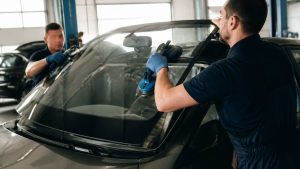
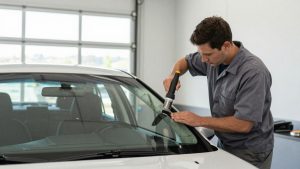
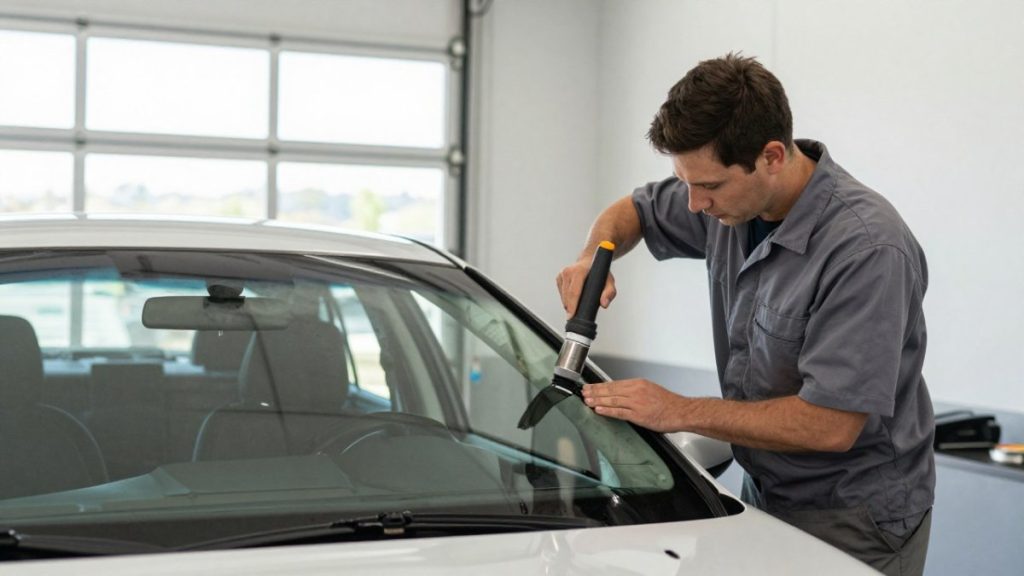
Windshield replacement is a safety repair. The glass is bonded to your car’s frame with urethane adhesive, and that bond needs time to hold. Driving too soon can shift the glass before the bond is strong enough, which can cause leaks, wind noise, or worse. The safe interval varies, which is why there is no single wait time that fits every car.
In this guide, we explain the difference between safe drive-away time and full cure, how adhesive type changes the wait, what to do in the first 24 hours, how long to keep retention tape on, and how rain and warning signs fit in. We also cover when your vehicle’s camera and sensor systems may need recalibration.
Safe Drive-Away Time vs. Full Adhesive Cure
Safe drive-away time is the point when the adhesive has set enough to drive the car normally. Full cure is the point when the bond reaches its final strength. These are two different milestones, and confusing them is one of the most common mistakes drivers make.
Most drivers only need the first milestone to get home. The second milestone takes longer, often 24 to 48 hours, and it depends on temperature and humidity. During that longer window, you should still treat the new glass gently.
Here is the simple way to think about it:
- Drive-away time: the minimum wait before normal driving
- Full cure: the time the adhesive reaches its final bond strength
- Careful period: the first 24 to 48 hours of gentle use
Your technician should give you both numbers. If they only give one, ask what it means.
The two milestones differ, and this quick comparison shows what each one means for your timeline.
| Milestone | Typical timing | What it means |
|---|---|---|
| Safe drive-away time | About one hour for fast-cure adhesive | Minimum wait before normal driving |
| Full cure | Often 24 to 48 hours | Adhesive reaches final bond strength |
| Careful period | First 24 to 48 hours | Treat the new glass gently |
Windshield Replacement Safe Drive-Away Time by Adhesive Type
The adhesive is the biggest factor in your wait. Standard urethane adhesives usually need more time to reach safe drive-away strength. Fast-cure adhesives are designed to set quicker, so they often allow an earlier drive.
Many shops quote a range instead of a single figure. Common examples include:
- Fast-cure urethane: often around one hour before driving
- Standard urethane: may require a few hours or longer
- Cold or humid conditions: can extend the wait for any adhesive type
Because adhesives differ, always confirm the product your installer used. Ask for the exact drive-away time on your repair paperwork.
What to Do After Windshield Replacement in the First 24 Hours
The first day is when the urethane adhesive is still building strength, so the goal is simple: keep the glass still, keep pressure changes gentle, and keep water and chemicals away from the bond line.
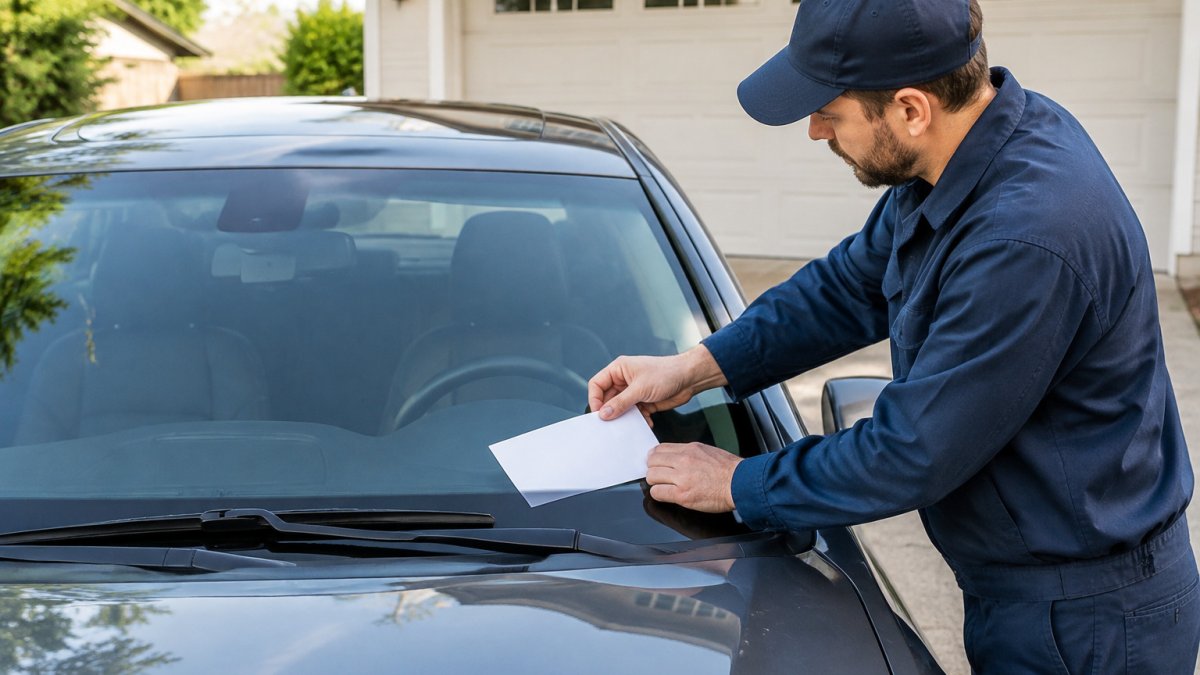
Here is a practical post-installation checklist organized by time:
Before you leave the shop (0 minutes)
- Confirm the technician’s stated safe drive-away time and write it down
- Ask which adhesive was used and whether it is fast-cure or standard
- Confirm whether retention tape is on the glass and when it should come off
- Ask whether ADAS recalibration is required and whether it is already complete
- Get a direct phone number for the shop in case a problem appears
First hour
- Do not drive until the stated drive-away time has passed
- Keep doors closed gently, no slamming
- Leave the retention tape exactly where the installer placed it
- Do not press, push, or lean on the new glass
First 24 hours
- If the technician advises it, leave one window slightly open to reduce pressure spikes when doors close
- Avoid car washes, pressure washers, and any direct spray at the glass edges
- Park in shade during warm weather so direct sun does not stress the fresh bond
- Skip highway driving if you can, and drive gently when you cannot
- Do not remove the retention tape unless the installer told you to
- Keep the receipt and any cure-time paperwork in the vehicle
Watch out: Slamming a door or hitting a speed bump hard in the first few hours sends a pressure pulse across the glass that can shift it before the adhesive has set, if you hear a new rattle or whistle after a hard jolt, call the shop rather than waiting to see if it settles.
First 24 to 48 hours
- Continue avoiding car washes and high-pressure spray
- Watch the top and side edges for drips after rain
- Listen for new wind noise at speed
- Check that trim and moldings sit flush
- Note any dashboard warning lights that appear after installation
A common pattern is that problems show up on the first highway drive rather than in the shop lot. If you notice water inside the cabin, a whistling sound that was not there before, a visible gap along the glass edge, or warning lights tied to lane-keeping or collision alerts, stop driving and contact the installer.
If the stated wait is inconvenient, the safe options are to wait at the service location or arrange a ride, rather than deciding a general one-hour estimate overrides the technician’s instruction. The technician’s number is specific to your adhesive, your weather, and your vehicle, and it takes priority over anything you read online.
How Long to Keep Tape On After Windshield Replacement
Retention tape holds the glass in place while the adhesive cures. Installers typically specify how long it should stay on, so follow their instructions. Removing it early can disturb the bond, so do not peel it off just because the car is drivable.
Ask your technician when it is safe to remove the tape. Once it comes off, handle the edges carefully and avoid pressing on the glass.
How Long After Windshield Replacement Can I Drive in Rain?
Rain does not automatically extend your wait, but wet and cool conditions can slow the adhesive’s cure, and driving in rain adds spray, wiper load, and temperature swings to a bond that is still setting. The governing rule is the same in every condition: the technician’s stated safe drive-away time comes first, and weather guidance only tells you how gently to drive and what to watch afterward.
Here is how each condition typically changes the picture:
Rain and high humidity
- Moisture in the air slows the chemical reaction that cures urethane, so humid days can push the wait toward the longer end of the adhesive’s range
- Once you are past the stated drive-away time, drive gently and avoid puddles that splash the lower edge of the glass
- Run the defroster on low if the glass fogs, rather than pressing on it
- After the drive, check the top edge and corners for drips inside the cabin
Cold weather
- Cold is the most common reason shops extend the wait; adhesive cures more slowly as temperature drops
- Ask whether the shop used a cold-weather adhesive or kept the vehicle in a heated bay before pickup
- Avoid using a scraper or de-icer on the new glass for the first day
- Do not blast the defroster on high heat immediately, bring the cabin temperature up gradually
Extreme heat and direct sun
- Heat generally speeds cure, but direct sun on fresh glass can stress the bond line and the trim
- Park in shade when possible for the first day
- Do not pour cold water on a hot windshield to cool it
Wind
- Strong crosswinds put lateral load on the glass at speed; keep highway driving short during the careful period
- If you must drive in gusty conditions, reduce speed and avoid following large vehicles closely
Watch out: Driving through a high-pressure car wash or using a pressure washer on the edges during the first 24 to 48 hours can force water into a bond line that is not fully cured, skip both until the technician clears them, even if the car is otherwise drivable.
A common pattern is that leak symptoms appear after the first rain following installation rather than during the drive home. If you see water tracking down the inside of the glass, hear a new whistle at speed, or find the trim lifting at a corner, contact the installer before your next drive. The technician’s estimate takes priority over any general weather rule, so when conditions are unusual, call the shop and ask rather than guessing.
Warning Signs of a Seal Problem and ADAS Recalibration
Some problems show up after the first drive. Contact the shop immediately if you notice:
- Water inside the car after rain or washing
- Whistling or wind noise at speed
- A visible gap or shifting along the glass edge
- Warning lights on the dashboard after installation
Many newer vehicles also use cameras and sensors mounted near the windshield for driver-assistance systems. If your car has these features, the windshield replacement may require ADAS recalibration so lane-keeping, collision warnings, and similar systems work correctly. Ask whether recalibration is included in your repair.
Booking Your Next Windshield Appointment in the Puget Sound Area
If your glass is cracked or chipped, do not wait for it to spread. USA Auto Glass & Batteries offers windshield replacement. To get pricing, request a quote online or contact us for a current quote. When you are ready to pick a time, you can schedule an appointment. Our frequently asked questions also cover common concerns about seal problems and recalibration.
Ask your technician for the exact drive-away time, the adhesive used, and whether ADAS recalibration is needed. Those three answers will tell you when you can safely get back on the road.
Frequently Asked Questions
How long should I wait to drive my car after a windshield replacement?
The safe drive-away time depends on the adhesive used and conditions. The exact interval depends on the adhesive used and the installer’s specifications, so ask your technician for the stated safe drive-away time before you leave the shop. Driving before that point can compromise the bond, so treat the time as a minimum, not a suggestion.
What should I do after windshield replacement to protect the seal?
For the first 24 hours, avoid slamming doors, keep the windows slightly open, and skip automatic car washes. Leave any retention tape in place until your technician advises removal. Avoid high-pressure water on the glass edges and watch for leaks or wind noise. If you notice a water leak, a gap at the seal, or a warning light on your dashboard, contact the installer promptly, since these can signal an installation or seal problem.
How long should I keep the tape on after windshield replacement?
Keep retention tape in place for the period your installer specifies to hold the glass while the adhesive sets. Removing it too early can shift the windshield before the bond is strong enough. Check the tape before removing it and follow the technician’s instructions exactly. If the tape has come loose or the glass appears to move, call the shop rather than adjusting it yourself.
Can I drive in the rain right after windshield replacement?
Rain is generally safe once the stated safe drive-away time has passed, but the adhesive is still curing during the first 24 to 48 hours. Heavy rain, cold temperatures, and high humidity can slow curing, so drive cautiously and avoid pressure washing the glass. If your installer recommends a longer wait in wet or cold weather, follow that guidance. Contact your installer for aftercare guidance for your specific vehicle and conditions.